June 13th – September 1st, 2024
At The Clay Studio
Philadelphia, PA
Featuring work by:
Paul Scott
Sergei Isupov
Lauren Mabry

ABOUT THE EXHIBITION
INSTALLATION IMAGES
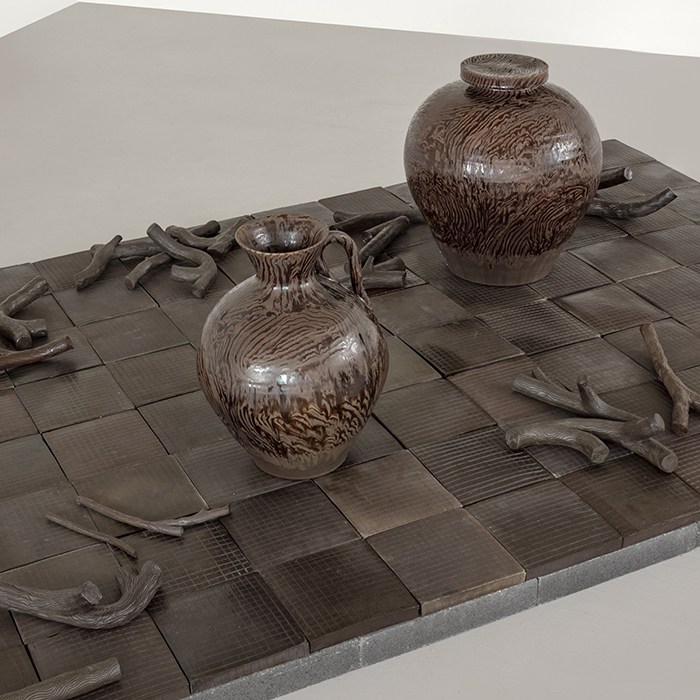
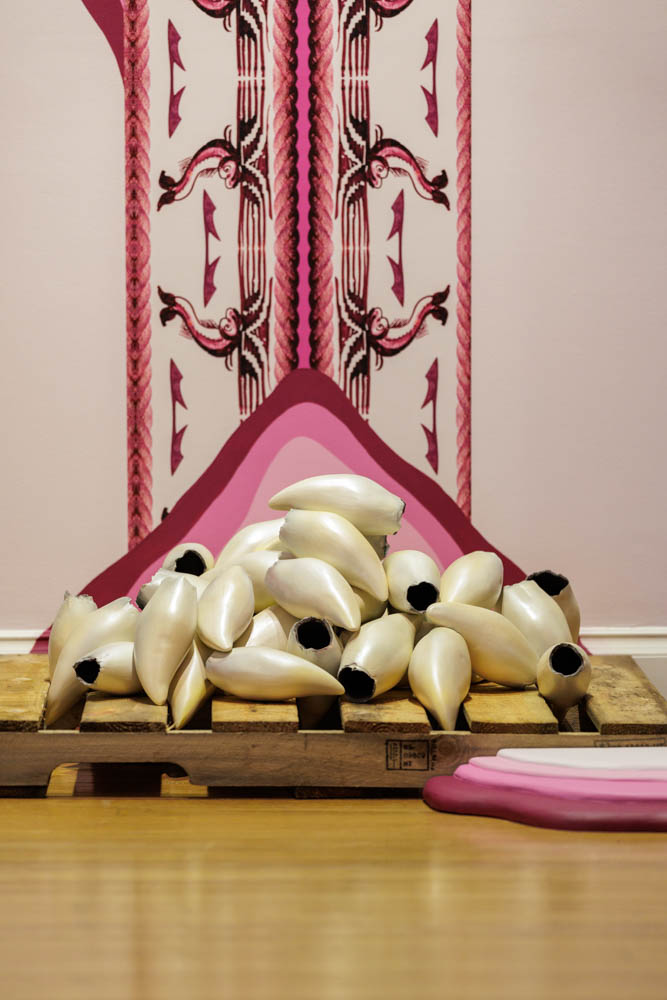
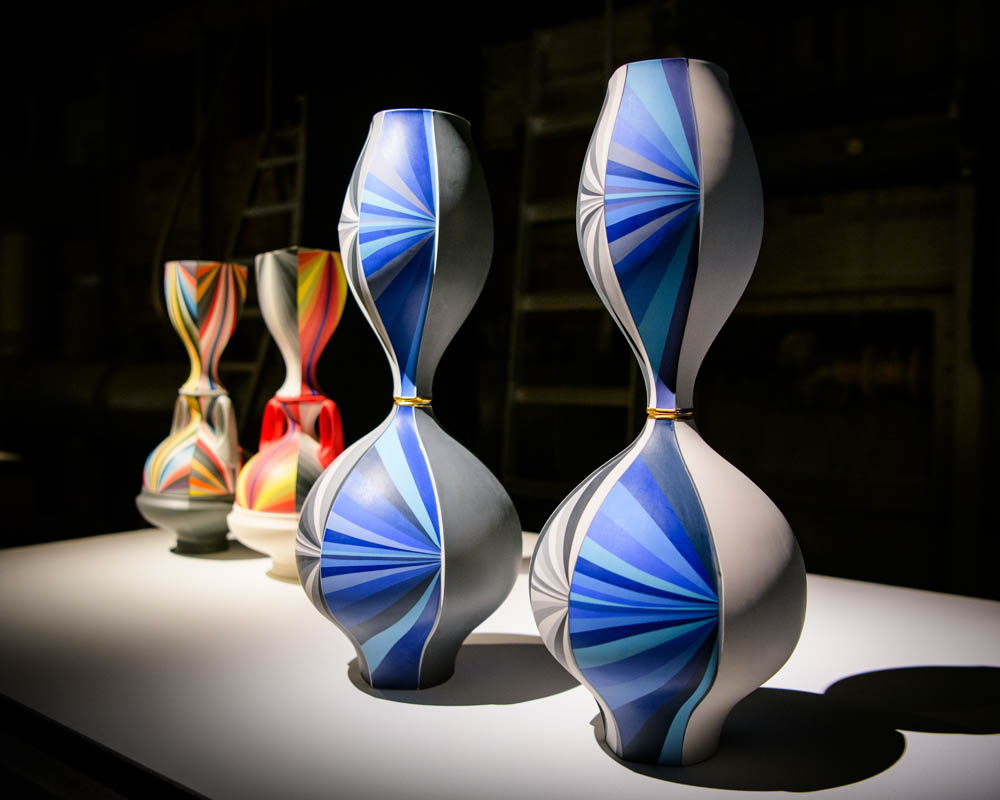
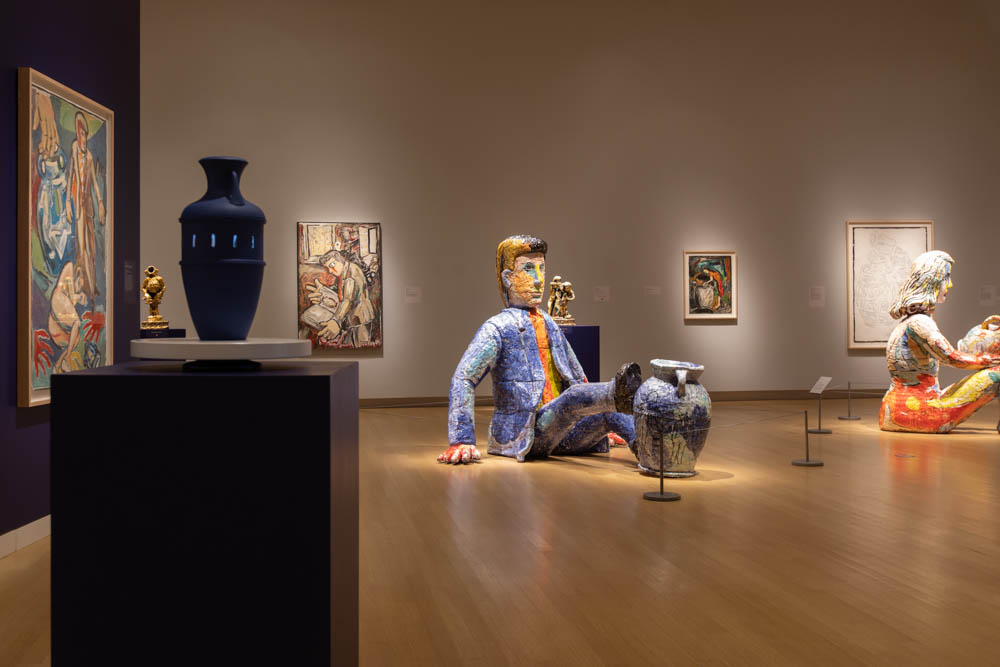
This Alumni Exhibition showcases artwork to reflect the current practice of the over 150 artist who have participated in The Clay Studio’s Resident Artist Program, Guest Artist Program, and Associate Artist Program over the 50 years since its founding.
The artists who work within the walls of The Clay Studio are the creative engine that keeps the organization going and focused on supporting professional artists at all levels, emerging, mid-career, and established. We are thrilled to bring together over 100 of the artists who have had meaningful, sometimes career-altering experiences at The Clay Studio while also sharing their creativity and inspiration with our entire community.


ABOUT THE ARTISTS
& FEATURED WORK

Estonian-American, b. 1963 Stavropole, USSR,
lives and works between Cummington, MA, USA and Tallinn, Estonia


Sergei Isupov
“Game Changer”
2023
porcelain, underglaze, glaze
17.5 x 8 x 6.5″.

American, b. 1985, Cincinnati, OH
lives and works in Philadelphia, PA

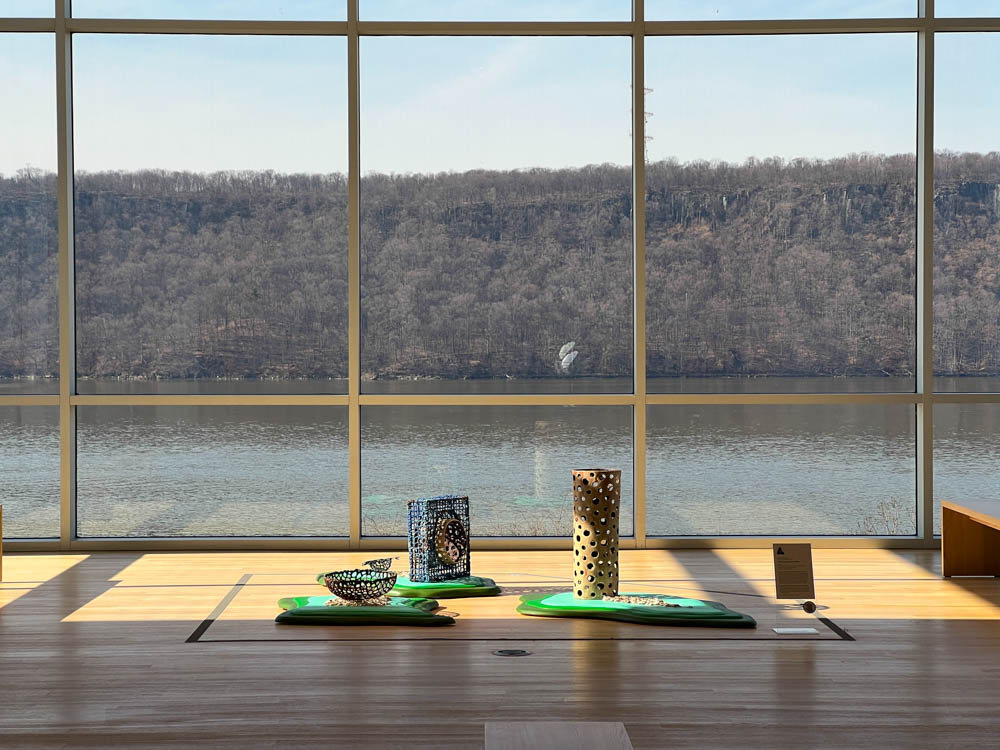
Lauren Mabry
“Glazescape (Molten Cloud)”
Ceramic, glaze
16 x 23 x 11″

English, b. 1953, Darley Dale, Derbyshire, England
lives and works in Cumbria, UK

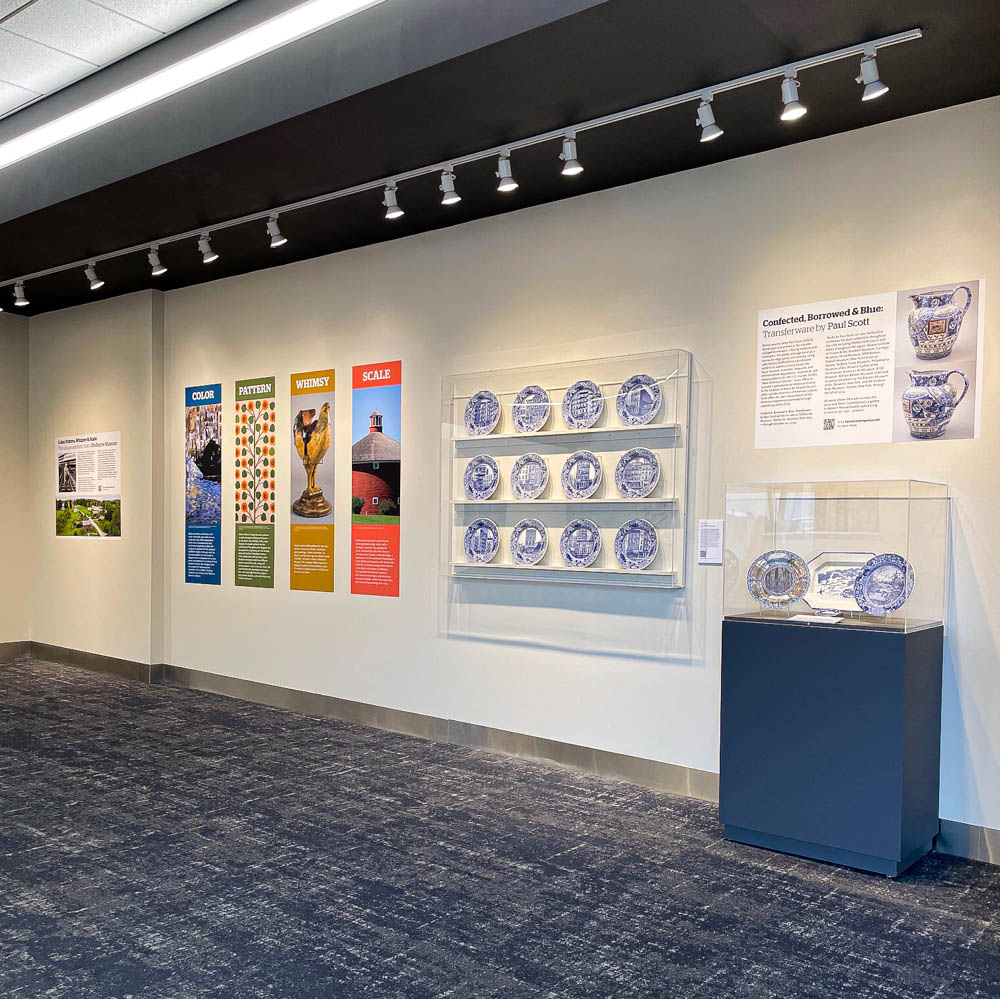
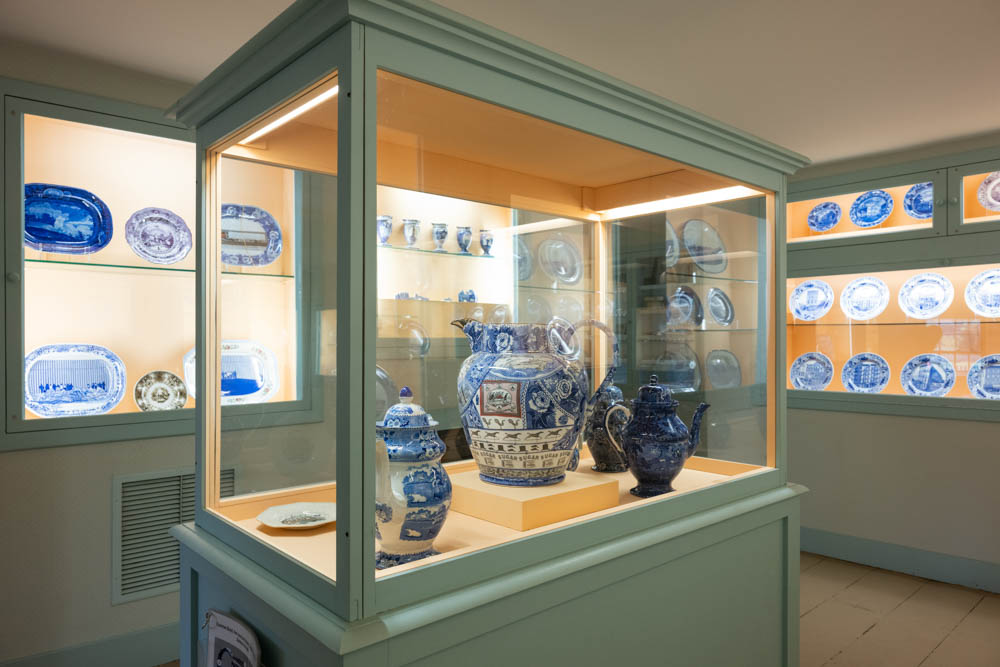
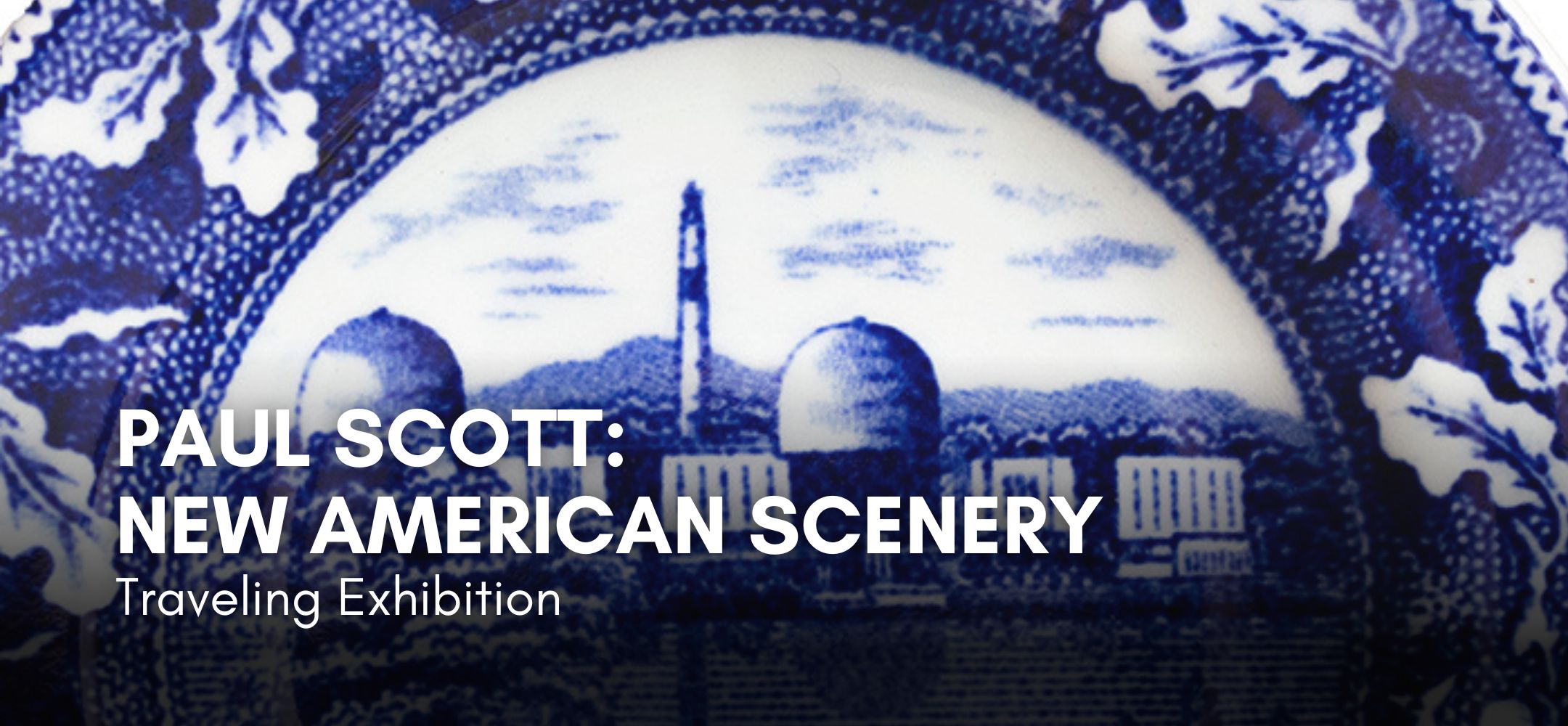
Paul Scott
“Cumbrian Blue(s), New American Scenery, Philadelphia/06. 02/14/04/24.”
Transfer (screen print) on shell edge pearlware platter
18 x 14.5″